-
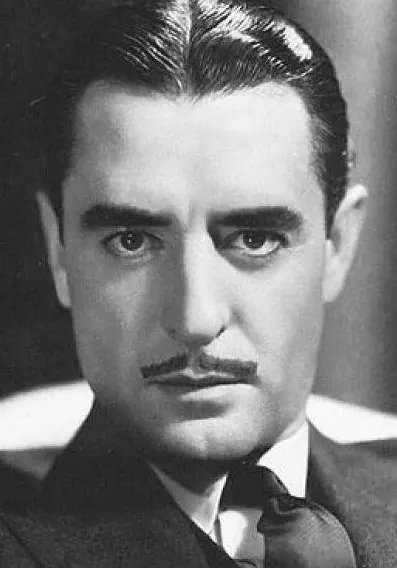 约翰·吉尔伯特 出生地: 美国,犹他州,洛根 职业:演员 / 编剧 / 导演
IMDb编号:nm0318105
简介:John Gilbert was born into a show-business family - his father was a comic with the Pringle Stock Company. By 1915 John was an extra with Thomas H. Ince's company and a lead player by 1917. In those days he was assistant director, actor or screenwriter. He also tried his hand at directing. By 1919 he was being noticed in films and getting better roles. In 1921 he signed a three-year contract with Fox Films. His popularity continued to soar and he was turning from villain to leading man. In 1924 he signed with MGM which put him into His Hour (1924). In 1925 he appeared in the very successful The Big Parade (1925) and was, by now, as popular as Rudolph Valentino. Lillian Gish, who had a new contract with MGM, picked Gilbert to co-star with her in La Bohème (1926). With the death of Valentino, his only competition, John was on top of the world. Then came Greta Garbo, who starred with him in Love (1927), Flesh and the Devil (1926) and A Woman of Affairs (1928). The screen chemistry between these two was incredible and led to a torrid off-screen affair. The studio publicity department worked overtime to publicize the romance between the two, but when it came time to marry, John was left at the altar. His performances after that were devoid of the sparkle that he once had and he began to drink heavily. Added to that, the whole industry was moving towards sound, and while his voice was not as bad as some had thought, it did not match the image that he portrayed on the screen. Even his characters had changed, in such films as Redemption (1930) and Way for a Sailor (1930). He was no longer the person that bad things happened to, but he now was the cause of bad things which happen. MGM did little to help John adjust to the new sound medium, as studio chief Louis B. Mayer and Gilbert had a fierce and nasty confrontation over Garbo. John was still under contract to MGM for a very large salary, but the money meant little to him. His contract ran out in 1933 after he appeared in
-
-
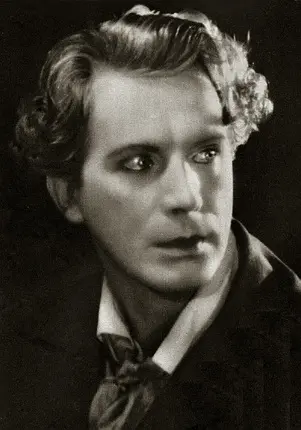
 葛丽泰·嘉宝 出生地: 瑞典,斯德哥尔摩 职业:演员
IMDb编号:nm0001256
简介:原名葛丽泰·洛维萨·格斯塔夫森,出生在瑞典一个贫困的工人家庭。14岁的时候父亲去世,她被迫离开学校去百货公司打工,做广告模特,她在一个广告短片中的形象被一名戏剧导演看中,并邀请她在自己的一部电影中担任一个小角色。
受此鼓舞,嘉宝申请到瑞典表演学校的奖学金。从此展开了银幕生涯。1924年瑞典导演斯蒂尔邀她主演自己的影片,片子公映后两人双双被米高梅看中。这时她把自己的名字改为嘉宝,并以此名拍了在好莱坞的第一部影片《激流》(1924),这是一部默片,所以嘉宝不会有语言上的障碍。影片一上映就打破票房纪录。在继续又拍了几部默片之后,1930年她出演了第一部自己的有声电影《安娜·克里斯蒂》,同样获得了巨大成功,并给她带来了一次奥斯卡最佳女主角提名。同年的《罗曼史》一片让她再次提名。接下来她又和克拉克·盖博合作了《残花复艳》(1931),又一次的票房大卖巩固了她一线影星的位置。同年她还出演了《玛塔·哈莉》。
1935年的《茶花女》和《安娜·卡列尼娜》是嘉宝最为人称颂的作品。前者让她再次提名奥斯卡,而后者则充分展现了她演技中复杂神秘的一面。嘉宝的最后一次奥斯卡提名来自1939年的《妮诺奇嘉》,而1941年拍完《双面女人》后,正值巅峰时期的嘉宝突然隐退,成为了好莱坞一个永远的谜。也因此为她的传奇更添了浓重的一笔,她拍了15年的电影,却因此隐居了50年,嘉宝此后一直过着深居简出的隐居生活,搬离了好莱坞住进了纽约,直到1990年她去世。
1954年,奥斯卡为了纪念她的不朽成绩,特地为她设了一个特别奖颁给她,但是她也并未去领奖。嘉宝的其他著名影片还有《瑞典女王》(1933)、《大饭店》(1932)、《卡米尔》(1937)和《肉体与魔鬼》(1927)等。她神秘而独特的表演不仅受到了影迷的疯狂追捧,也影响了很多电影演员,包括她的后辈英格丽·褒曼等。